By Thrive Family Dentistry of Auburn | December 10, 2025
If you need a root canal, you may be intimidated by the procedure. But did you know that most cases of root canal treatment now represent the best method available to save a tooth? In truth, this popular dental operation can save you a tooth in the short and long terms by limiting painful infections and preventing extraction.
Root canals may seem scary, but they are a proven method of treating severe dental problems. It involves cleaning the infection sitting nestled inside your tooth and sealing it off so it can’t do more damage.
What is a Root Canal?
A root canal is a treatment used to repair and save a tooth that is badly decayed or has become infected. The purpose of this treatment is to save your natural tooth and eliminate the pain from an infection.
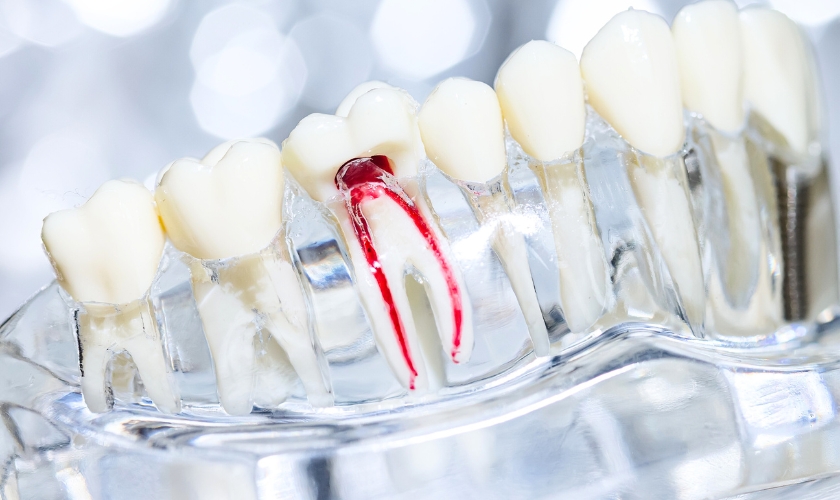
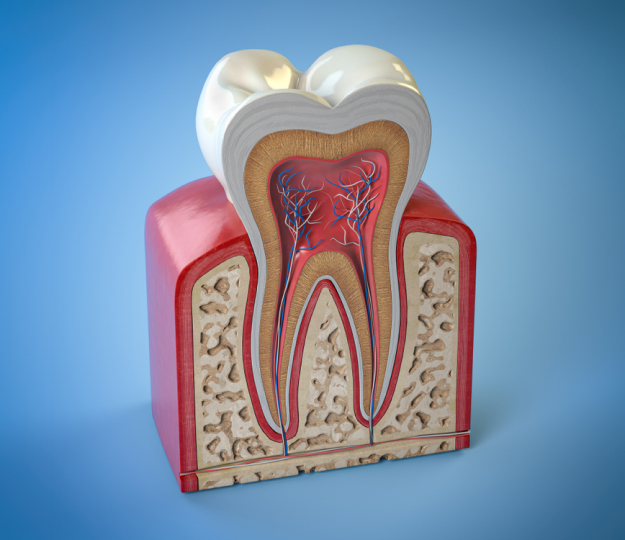
Your dentist will remove the infected pulp, sterilize and shape the root canals, fill them with a biocompatible material to prevent reinfection, and finally seal off the space. The tooth is later filled and may be crowned for added strength.
Root canal therapy is necessary once the pulp becomes infected or inflamed as a result of tooth decay, trauma, or cracks in the tooth. When left undisturbed, this infection may spread and cause increasing damage to both the tooth and the surrounding tissue to a point that results in the extraction of the tooth. Treating these conditions early on may save the natural structure of the tooth and prevent other types of treatment later on.
Benefits of Root Canal Treatment
Root Canal therapy in Auburn has many advantages which helps saves your oral health and avoid future problems. The most apparent advantage is that it preserves your natural tooth, which means you get to keep your smile without having a dental implant or bridge installed.
Another significant benefit of this procedure is the fact that it’s an economical treatment choice as opposed to tooth replacements such as implants or bridges. These options frequently need other surgeries and more time to be done, so they are much more expensive. If you do a root canal, you’re saving your tooth that already exists and that’s cheaper and more time-efficient in the end.
What’s more, the root canal can prevent future damage. When not taken care of, an infected tooth can seep bacteria into the surrounding teeth and gums, causing more serious problems such as abscesses or loss of a tooth. Root canals prevent further decay by tackling the infection early and help maintain the strength of your entire smile.
The Root Canal Process
Several steps are involved in having a root canal to make sure the tooth is well cleaned, sealed, and returned to use. Here’s what you can expect:
Step 1: Diagnosis and X-rays – The dentist will first take X-ray images to determine the severity of the infection and evaluate the tooth’s structure and surrounding anatomy. This helps them sort out what they should do.
Step 2: Clearing and Disinfecting the Pulp – After numbing the area, your dentist will make a small hole in your tooth to reach the pulp. They will need to cut out the infected tissue, clean it thoroughly, and disinfect in order to prevent further infection.
Step 3: Sealing and Restoration with a Crown – After the infected pulp is removed and your tooth is thoroughly cleaned, the cavity left behind will be filled using gutta-percha, a rubber-like material. The tooth is sealed afterward to keep bacteria from getting back in. A crown would typically be installed on the tooth to reinstate its form, size, and purpose.
How Can Root Canal Treatment Alleviate the Pain?
The common perception is that root canal treatments are painful, when in fact the contrary is true. Although the infection or damage inside your tooth is usually what causes this pain, the root canal treatment that relieves it by ridding it of infected tissue taht cause discomfort.
The vast majority of patients will obtain relief immediately after the procedure, as it’s removing what’s causing the pain. The procedure is done under local anesthetic, so you will feel minimal to no discomfort during treatment. You may have some tenderness or soreness afterwards, but painkillers that you can buy over the counter can help to control any discomfort.
Also, a root canal recovery time is generally short. Patients are typically able to resume normal activities within a day or two. The tooth is usually covered with a crown to stabilize and protect the restoration. It depends on each patient, which report that the relief from infection is well worth any temporary pain from the procedure.
What Are the Criteria for Ideal Candidates of Root Canal Treatment?
Root canal therapy in Auburn is often suggested for people with serious tooth decay, deep cavities, or a damaged tooth. Symptoms that you may need a root canal include prolonged tooth pain (especially when chewing), sensitivity to hot and cold, swollen or tender gums, or a pimple near the affected tooth.
A root canal can save many teeth, but keep in mind that not every tooth is a candidate for this treatment. It’s possible that the tooth cannot be saved due to the extent of damage. You may need to get them removed when there’s no room left for new teeth. But early detection can greatly up your chances of saving your tooth without having to resort to more invasive treatments such as implants or dentures.
Aftercare Advice for Root Canal Therapy
Following the root canal, there are aftercare instructions to be followed, which is vital for your tooth to heal correctly. Here are some suggestions on how to take care of yourself after your treatment:
Stay Away From Any Hard Foods: Soft foods are still the answer, at least for a few days, until there is no pressure and strain on the tooth.
Pain control: Over-the-counter painkillers that your dentist will advise you to take will help in dealing with any associated pain.
Follow-Up Appointments: Attend follow-up visits to monitor treatment progress and verify that the tooth is healing properly.
Proper Oral Hygiene: You can keep brushing and flossing as you usually would, but make sure to be careful around the treated area. Sound oral hygiene to prevent recurrent infection is crucial.
Regular Visits to the Dentist: It requires regular dental visits over time to maintain the health and strength of the teeth. Maintain a crown. If you have a crown installed, watch out for any signs that the cement is wearing down or cracking, and see your dentist if it does.
Root canal therapy is a safe and effective method of saving your natural tooth while eliminating any pain caused by the infection. If you choose a root canal, the need of extraction and costly tooth replacements can be avoided. This quick fix can help save your smile and avoid more serious dental problems later on.
If you suspect that you may require a root canal, don’t wait until it gets unbearable. Contact us today and schedule a consultation to hear how we can help save your smile. We are committed to delivering you the best care with our professional team so that you may keep a healthy smile for a lifetime.
FAQs
Can a root canal help with tooth sensitivity?
Yes, if the sensitivity is caused by infection or damage to the pulp, a root canal can help resolve the issue.
Will I need follow-up care after my root canal?
Yes, follow-up care is essential to ensure the tooth heals well and to check if the crown is functioning properly.
Can a root canal be performed on any tooth?
Root canals can be done on any tooth, but they are most commonly performed on molars or premolars, which have multiple roots.
Can root canal treatment be done in one visit?
In many cases, yes. Some complex cases may require a second visit, but most procedures can be completed in a single session.
Can I eat after a root canal?
It’s best to avoid eating on the treated tooth until the anesthesia wears off. Stick to soft foods in the first few days after the procedure.