By Thrive Family Dentistry of Auburn | January 2, 2026
Do you feel a dull ache in your tooth when eating something sweet or cold? It might be a sign of tooth decay. Cavities often start small but can grow into bigger problems if left untreated. That mild discomfort you’re experiencing may be your tooth’s way of telling you that it needs attention. Thankfully, dental fillings are a common solution for treating cavities and preventing further damage.
In Auburn, AL, taking care of cavities early is essential for maintaining good oral health. Whether you’re enjoying a day at Toomer’s Corner or relaxing at Chewacla State Park, you don’t want a toothache to slow you down. Scheduling timely dental visits ensures that your smile stays healthy and bright, so you can continue to enjoy all the wonderful activities Auburn has to offer.
What Are Dental Fillings?
Dental fillings are materials used by dentists to restore a tooth damaged by decay. When a cavity forms, the dentist removes the decayed part of the tooth and fills the space with a durable material to restore the tooth’s function and shape. Fillings prevent further decay, help preserve the tooth, and provide relief from the pain that often comes with cavities.
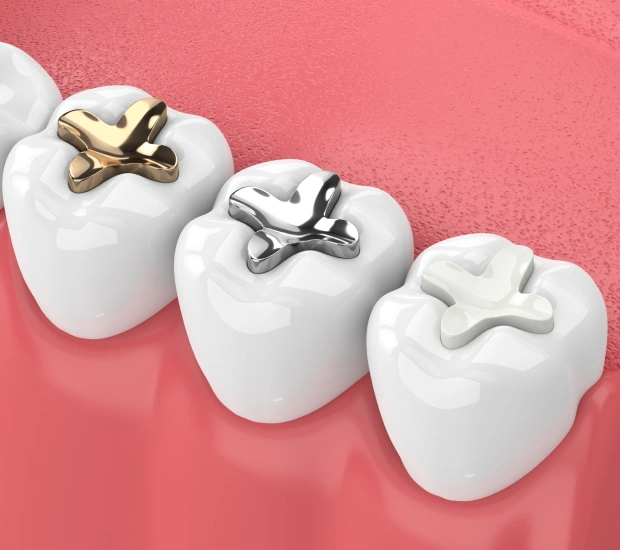
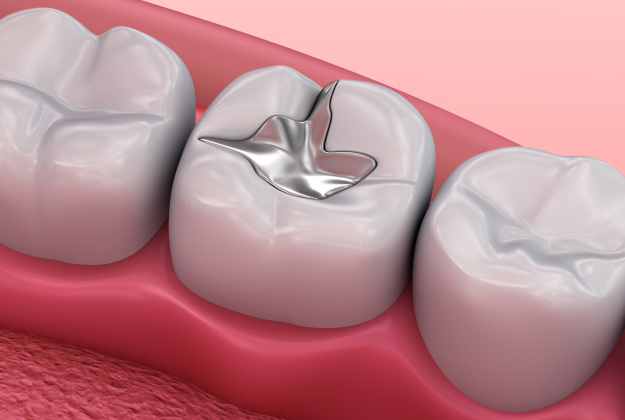
There are several types of dental filling materials, each with unique benefits. Amalgam fillings are made from a combination of metals and are known for their durability and strength. While they are visible, they are perfect for teeth at the back of the mouth that endure more pressure during chewing.
Composite fillings, on the other hand, are tooth-colored and blend seamlessly with the natural tooth, making them ideal for more visible areas. Porcelain fillings offer a similar aesthetic advantage to composite fillings, but they are also highly durable and resistant to staining. In some cases, gold fillings are chosen for their longevity and strength, though they tend to be more visible.
Dental fillings in Auburn are necessary to restore tooth function. Without a filling, a decayed tooth may worsen and eventually require more invasive procedures like root canals or extractions. Fillings not only repair cavities but also prevent the spread of decay to other teeth, keeping your smile healthy for years to come.
Signs You Need a Dental Filling
How do you know if you need a dental filling? Here are some common signs that it might be time to schedule a dental visit:
Tooth Sensitivity: One of the most common signs of tooth decay is sensitivity. If you notice discomfort when consuming hot, cold, or sugary foods, it may indicate that a cavity is forming or already present. This sensitivity is often a sign that the enamel on your tooth has been weakened by decay.
Visible Holes or Cracks: If you notice visible holes or cracks in your teeth, it’s a clear indicator that you need dental care. Cavities often start small and unnoticed, but as the decay progresses, it can lead to visible damage to your teeth. If you’re unsure, a dentist can examine your teeth to determine the extent of the damage.
Persistent Pain: If you experience tooth pain that lingers after eating or drinking, it’s a strong sign that you might need a dental filling. Toothaches that won’t go away, especially those accompanied by swelling or discomfort when biting down, should be addressed promptly to prevent more severe dental issues down the road.
Ignoring these signs can lead to more serious complications, so it’s important to act quickly. If you notice any of these symptoms, it’s best to visit a local Auburn dentist who can assess the problem and recommend the appropriate treatment.
The Process of Getting a Dental Filling
Getting a dental filling typically involves a few simple steps, and the procedure can usually be completed in a single visit.
Initial Consultation: During your first appointment, your dentist will conduct a thorough examination of your teeth. They may take X-rays to assess the extent of the decay and to ensure no other issues are hiding beneath the surface.
If a cavity is present, your dentist will discuss your options for filling materials and recommend the best choice based on your dental needs.
Filling Procedure: Once the area is numbed with a local anesthetic, the dentist will remove the decayed portion of the tooth. Afterward, the cavity is cleaned to ensure no bacteria remain, and the filling material is carefully applied to restore the tooth’s shape and function.
For composite fillings, the material is placed in layers and hardened with a special light, while other materials may be placed in one solid piece. The dentist will then polish the filling to ensure it blends in naturally with your tooth.
Recovery and Aftercare: The recovery process after getting a filling is typically minimal. Most people can resume normal activities right away, though it’s advisable to avoid eating anything too hard or sticky for the first 24 hours to allow the filling to set properly.
You may also experience some sensitivity in the treated tooth, but this should subside within a few days. Follow-up visits are usually not necessary unless there is discomfort or an issue with the filling.
With proper care, your dental fillings can last for many years. It’s important to maintain good oral hygiene, including brushing and flossing regularly, and to visit your dentist for routine checkups to ensure your fillings are still in good condition.
Benefits of Dental Fillings
There are several benefits to getting dental fillings in Auburn, making it one of the most common treatments for cavities.
Prevent Further Decay: By filling the cavity, you prevent the decay from spreading to other parts of the tooth and mouth. Without a filling, the decay could worsen, leading to infection or the need for more intensive procedures like a root canal or tooth extraction.
Restoration of Tooth Function: Fillings restore the functionality of a tooth, allowing you to chew, speak, and smile confidently without discomfort. Whether it’s a back molar or a front tooth, fillings help maintain the structure of the tooth and prevent it from weakening.
Aesthetic Benefits: Tooth-colored fillings, such as composite and porcelain, provide aesthetic benefits because they blend in seamlessly with your natural teeth. This is particularly important for people who want to maintain a natural smile, especially when fillings are needed on visible teeth. These materials are also less likely to stain over time compared to other options.
Fillings can significantly improve the function and appearance of your teeth, helping you maintain a healthy, beautiful smile.
Cavities are a common dental issue, but they don’t have to disrupt your life. Dental fillings provide a simple, effective solution to restore your teeth and prevent further damage. If you’re experiencing tooth pain, sensitivity, or visible cavities, it’s time to take action. Don’t wait until the problem worsens.
For residents in Auburn, AL, addressing cavities early is key to maintaining a healthy smile. Schedule your dental exam with us today and ensure that your teeth stay strong and beautiful for years to come. We’re here to provide professional care and guide you through every step of the process, from diagnosis to recovery.
Are you ready to restore your smile? Book your consultation now and take the first step toward healthy teeth and gums at Auburn Dental.
FAQs
Can I get a filling if I’m pregnant?
Yes, but it’s important to consult your dentist about any precautions or adjustments to treatment during pregnancy.
How can I tell if my filling is damaged?
Signs include pain, sensitivity, or visible cracks in the filling. A dentist will inspect it during routine checkups.
Can I get a filling on a back molar?
Yes, dental fillings are commonly used on molars, which are often more prone to cavities due to their hard-to-reach location.
Can I use whitening toothpaste with fillings?
Yes, but be aware that whitening toothpaste may not change the color of the filling, which can sometimes make the filling more noticeable.
Can I eat after getting a dental filling?
You can eat after the anesthetic wears off, but it’s best to avoid hard or sticky foods for 24 hours to allow the filling to set properly.