By Thrive Family Dentistry of Auburn | February 4, 2026
Your smile is one of the first things people notice, and keeping it healthy can make all the difference. Maintaining good dental hygiene is essential not only for a bright smile but also for your overall health. However, sometimes dental issues can arise that are not immediately noticeable, such as cavities or cracks in your teeth. Tooth-colored fillings offer a natural and aesthetically pleasing solution to repair these issues without compromising the appearance of your smile.
Recognizing when you need a filling is key to maintaining your dental health and keeping your teeth looking their best.
What is a Tooth-Colored Filling?
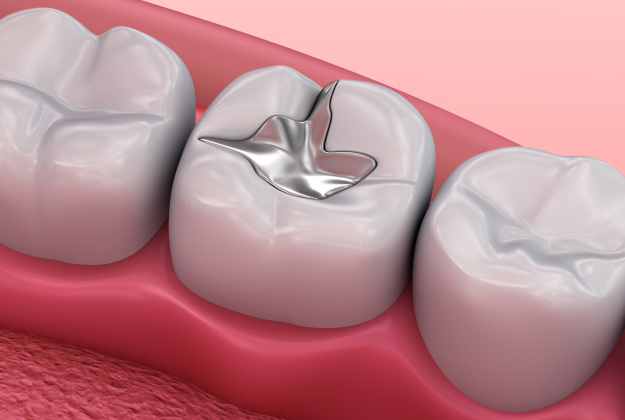
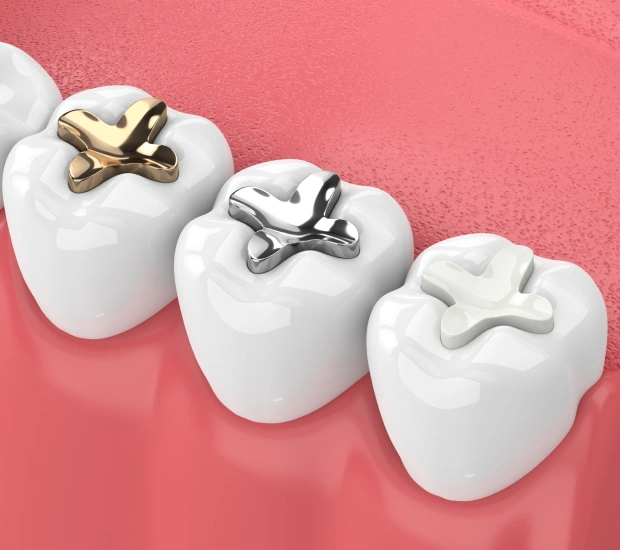
A tooth-colored filling, also known as a composite resin filling, is a modern solution for restoring teeth affected by cavities, cracks, or wear. Unlike traditional amalgam fillings, which are made of metal and can be noticeable, tooth-colored fillings are designed to blend seamlessly with your natural tooth color, making them virtually invisible. This makes them a popular choice for those looking for a more discreet option, especially for fillings in visible areas like the front teeth.
Tooth-colored fillings are made from a mixture of plastic resins and fine glass particles, which gives them both strength and durability. These materials can be sculpted to fit the exact shape of the cavity, creating a tight bond with the tooth surface.
The composite resin is hardened using a special light, ensuring a long-lasting and reliable result. One of the major advantages of composite fillings is their ability to match the natural color of your teeth, which makes them especially ideal for those who are concerned about aesthetics.
Composite resin fillings are also more conservative in their application. They require less removal of the natural tooth structure compared to amalgam fillings, allowing the tooth to retain more of its original strength and integrity. This makes them a great option for anyone looking to restore both the function and appearance of their teeth.
Common Signs You Might Need a Tooth-Colored Filling
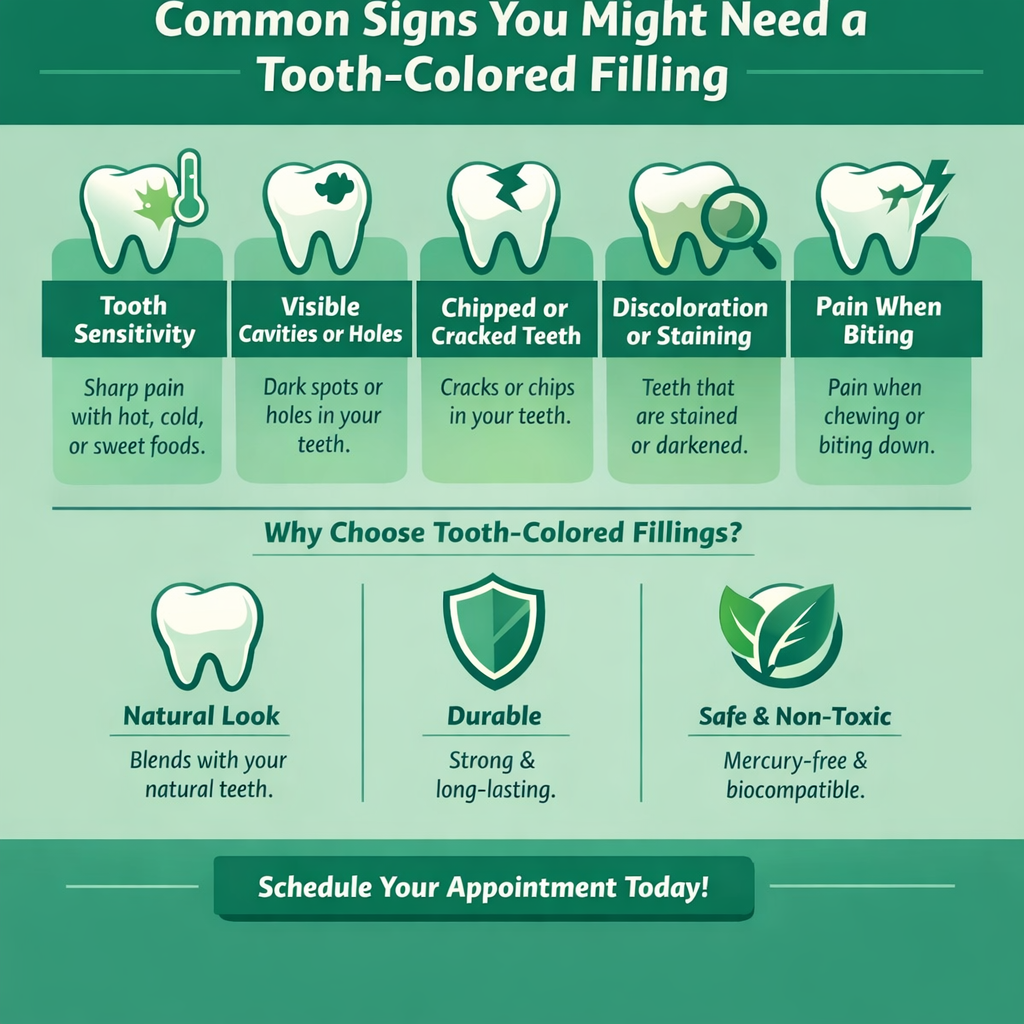
Tooth Sensitivity
Tooth sensitivity is one of the most common signs that a filling might be necessary. If you experience discomfort when eating hot, cold, or sweet foods, it can indicate that the enamel on your tooth has been worn down or damaged. The sensitivity occurs when the underlying layer of the tooth, called the dentin, becomes exposed due to a cavity or decay.
Tooth-colored fillings in Auburn are often recommended to seal the affected area, protect the tooth from further damage, and restore normal sensitivity levels. In many cases, tooth sensitivity that persists may point to a cavity that needs to be treated before it worsens.
Visible Cavities or Holes
Visible cavities or holes in your teeth are often an obvious sign that you need a filling. These imperfections can be seen as small dark spots or holes in your teeth that have been caused by decay.
If you spot any discoloration or damage, it’s essential to see a dentist as soon as possible. When left untreated, cavities can spread deeper into the tooth, potentially affecting the tooth structure and requiring more extensive treatments, such as a root canal.
A tooth-colored filling can effectively treat small to moderate cavities, preventing further damage and restoring the tooth’s strength and appearance.
Chipped or Cracked Teeth
Accidents, biting down on hard foods, or general wear and tear can cause your teeth to chip or crack. While small chips might not cause pain, they can still affect the overall health and appearance of your tooth. Cracked teeth, especially those that cause pain, can worsen over time if not treated.
A tooth-colored filling can help restore the tooth’s strength and appearance by filling in the crack or chip, preventing further damage. Not only will it restore the tooth’s function, but it will also keep your smile looking natural and intact.
Discoloration or Staining
Over time, our teeth can become stained or discolored from foods, drinks, or smoking. Staining can occur on the surface of the teeth or sometimes beneath the enamel. If a tooth has become darkened or stained and the discoloration cannot be removed by brushing, it may indicate that the tooth is decayed or damaged beneath the surface.
A tooth-colored filling is an excellent way to restore the tooth’s natural appearance by covering up these imperfections. The composite resin material used for fillings can be matched to the natural color of your teeth, providing a seamless and aesthetic solution that blends perfectly with your smile.
Pain When Biting or Chewing
Pain while biting or chewing can be a sign that your tooth has suffered some form of damage, often from decay or a cracked filling. The discomfort you feel when pressure is applied to the tooth may indicate a deeper issue that requires attention. It’s essential to address this kind of pain as soon as possible.
Without intervention, what starts as minor discomfort can progress to more severe pain or an infection. In many cases, a tooth-colored filling will provide relief by closing off the affected area, sealing it to protect from further damage, and restoring your ability to chew comfortably. Filling any cavities or cracks will help ensure that you can eat and speak without pain or discomfort.
Why Choose Tooth-Colored Fillings?
Aesthetic Appeal
One of the main reasons patients choose tooth-colored fillings is their aesthetic appeal. Unlike traditional metal fillings, which can stand out and detract from your smile, tooth-colored fillings blend seamlessly with your natural tooth color.
Made from composite resins that can be custom-shaded to match the surrounding teeth, these fillings are nearly invisible and ideal for visible areas like the front teeth. Whether you’re getting a filling for a cavity or a cracked tooth, tooth-colored fillings provide a discreet, natural solution that keeps your smile looking great without compromise.
Durability
In addition to their aesthetic benefits, modern composite materials used for tooth-colored fillings are incredibly durable. They can withstand the pressures of chewing and biting, offering long-lasting restoration for your teeth. Advances in dental technology have made these fillings stronger than ever before, ensuring that they perform well under regular wear and tear.
Composite fillings are highly resistant to fractures and can maintain their form and function for many years with proper care. As an added benefit, they don’t expand or contract with temperature changes, unlike metal fillings, which can sometimes cause cracks in the tooth.
Safe and Non-Toxic
Another significant advantage of tooth-colored fillings is that they are safer for your overall health. Traditional metal fillings, particularly amalgam, contain mercury, which has raised concerns over the years. Tooth-colored fillings in Auburn, on the other hand, are mercury-free and made from biocompatible materials. This makes them a safer option for those who are cautious about the potential health risks associated with mercury exposure.
Furthermore, these fillings are less likely to cause irritation to the gums and surrounding tissues, making them an excellent choice for individuals with sensitive mouths or allergies to metals.
Choosing tooth-colored fillings ensures a more natural, durable, and safer solution for maintaining a healthy, beautiful smile.
What to Expect During a Tooth-Colored Filling Procedure
Initial Consultation
If you’re experiencing any of the signs mentioned earlier, it’s important to schedule a consultation with your dentist at Thrive Family Dentistry of Auburn.
During the exam, your dentist will assess the extent of the damage, take X-rays if necessary, and discuss the best treatment options. If a filling is recommended, your dentist will explain the procedure in detail and ensure that you are comfortable throughout the process.
Filling Procedure
The procedure for placing a tooth-colored filling typically requires only one visit. The dentist will first numb the affected area to ensure you are comfortable. Then, the decayed portion of the tooth will be removed, and the cavity will be cleaned. The composite resin material is then applied in layers, with each layer being hardened using a special light.
Once the filling is in place, the dentist will shape it to fit your tooth’s natural contours, ensuring a comfortable and secure fit. The result will be a restored tooth that functions just like your natural teeth.
Aftercare
After the procedure, you may experience some mild sensitivity, but this should subside within a few days. It’s important to follow your dentist’s instructions for aftercare to ensure the best results
Avoid eating hard or sticky foods immediately after the procedure, and practice good oral hygiene to keep the filled area clean and free from plaque buildup. Regular dental visits will also help maintain the integrity of your filling.
Recognizing the signs that you might need a tooth-colored filling is an important step in maintaining your oral health and appearance. Whether you’re experiencing tooth sensitivity, visible cavities, or discomfort while chewing, it’s crucial to address these issues before they worsen. Tooth-colored fillings not only restore your teeth but also enhance the natural look of your smile.
If you’ve noticed any of the signs discussed in this blog, don’t wait until the problem worsens. Schedule an appointment with Thrive Family Dentistry of Auburn today. Our team is here to provide the care you need to keep your smile healthy and beautiful!
Frequently Asked Questions
Can a tooth-colored filling be used for a large cavity?
Yes, tooth-colored fillings can be used for medium to large cavities. However, for very large cavities, a crown may be recommended for additional support and durability.
Do tooth-colored fillings stain over time?
While tooth-colored fillings resist staining better than other materials, they can discolor slightly over time, especially with frequent consumption of coffee, tea, or tobacco.
Can I eat right after getting a tooth-colored filling?
It’s recommended to wait 1-2 hours before eating to allow the filling to fully set. After that, you can eat normally, but avoid hard or sticky foods for the first 24 hours.
Are tooth-colored fillings more likely to crack than metal fillings?
No, modern tooth-colored fillings are designed to be strong and durable. Though they may be slightly more prone to wear in areas with heavy chewing pressure, they generally last just as long as metal fillings when properly cared for.
Can tooth-colored fillings be replaced if they get damaged or wear down?
Yes, if a tooth-colored filling becomes damaged or wears down over time, it can be easily replaced with a new filling. Your dentist can assess the damage and ensure the tooth is properly restored.